Religion and Culture: 12th Seminar Session
On 21st November 2024, the 12th session of the seminar series “Religion and Culture” was held. The seminar series is organized by the Department of Cultural Studies and the Department of Philosophy at INION RAN.
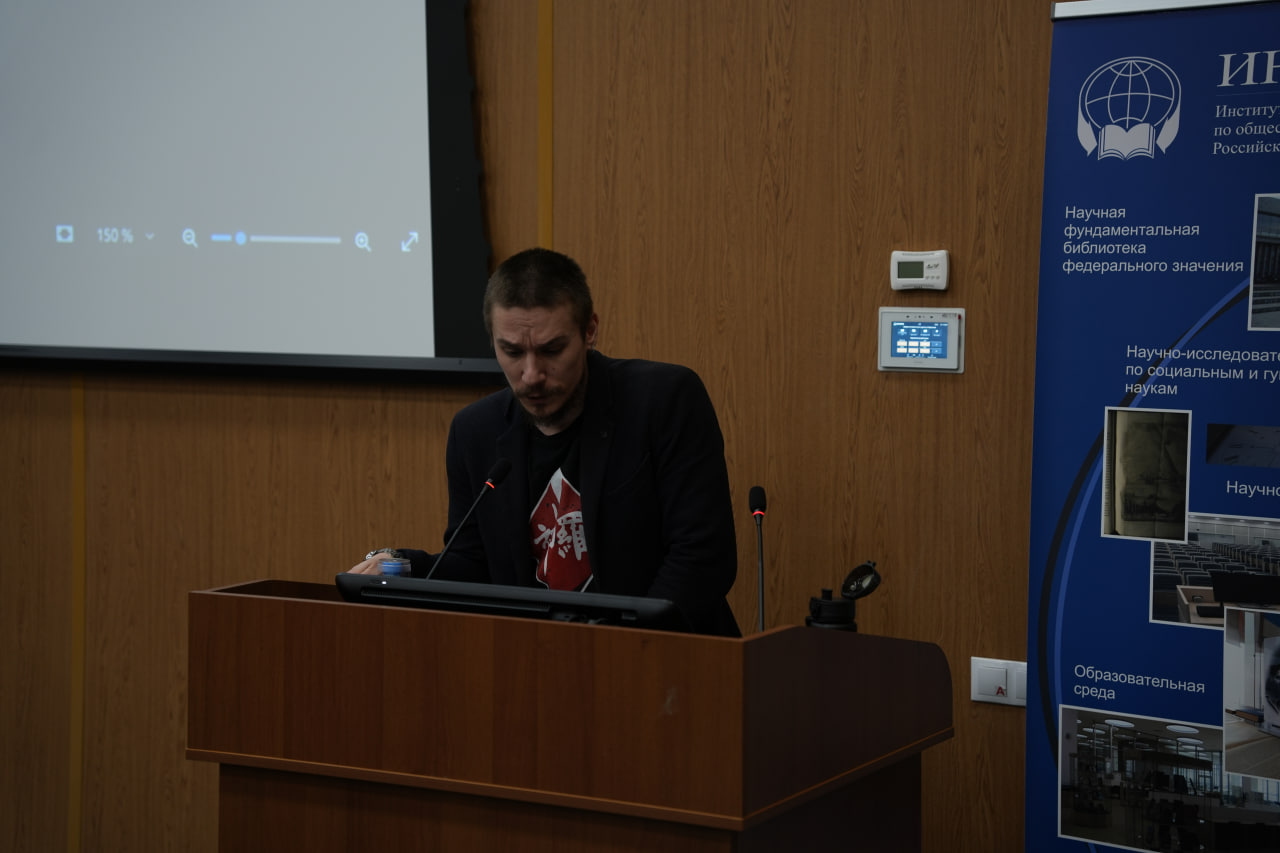
Stepan A. Rodin (PhD in History, Associate Professor at the Institute for Oriental and Classical Studies HSE, academic supervisor of the educational programme “Japan: language, history, literature, culture”) presented a lecture on “Old and ‘New’ Religions in the Everyday Life of Modern Japan”.
Particular emphasis was placed on official survey data from the Japanese Bureau of Statistics and Information, which consistently reveals a sustainable trend: the number of citizens who identify themselves with a particular religion or religious movement is one and a half times higher than the total population of the Japanese archipelago. The number of objects classified as Buddhist temples and Shinto shrines exceeds the number of shops within walking distance by three times. Simultaneously, about 40% of Japanese citizens consider themselves individuals who do not experience deep religious feelings, and this presents no contradiction. Researchers of Japanese religiosity often note that it is typical for traditional Japan to perceive religions through the principle known as “genze ryaku” 現世利益, or “benefits and gains in this world”. This pragmatic approach facilitates the integration of elements from different teachings into everyday life.
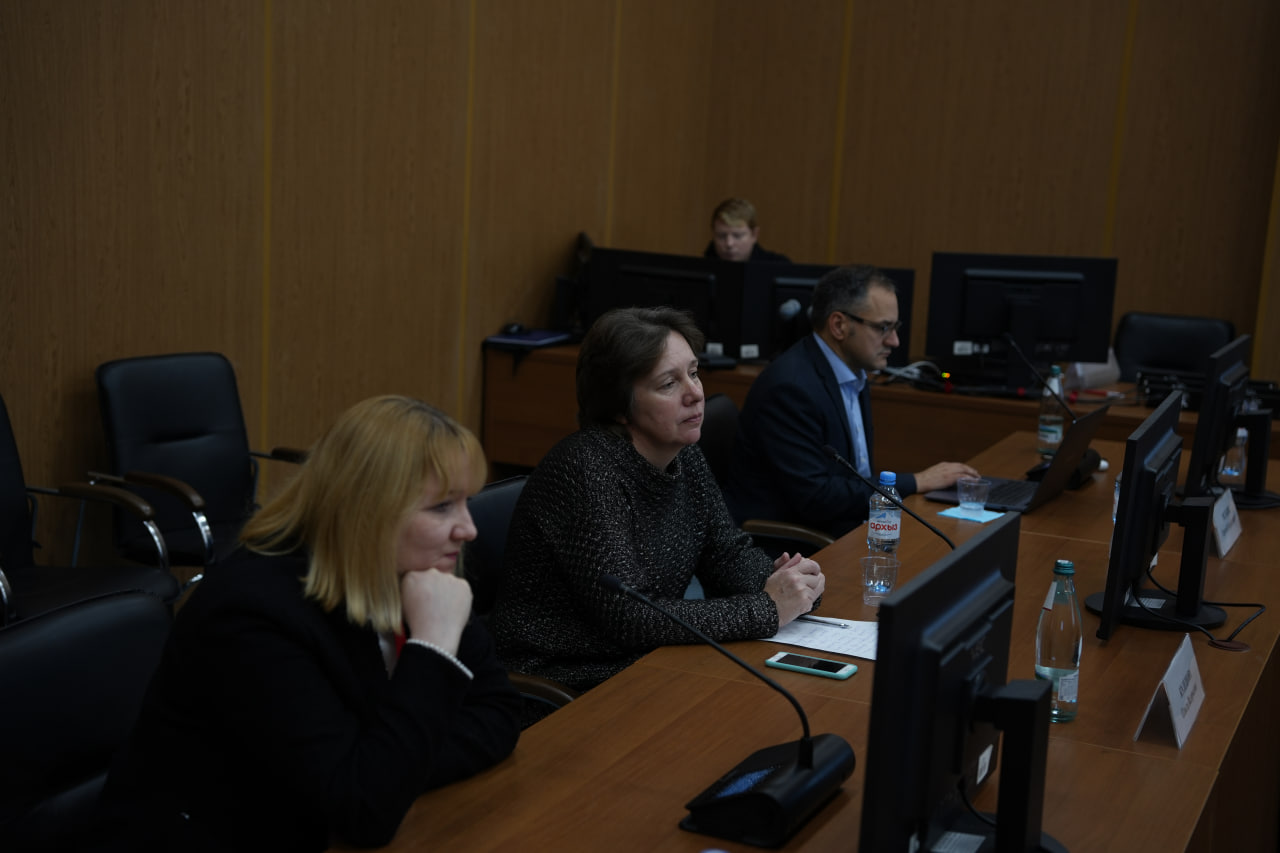
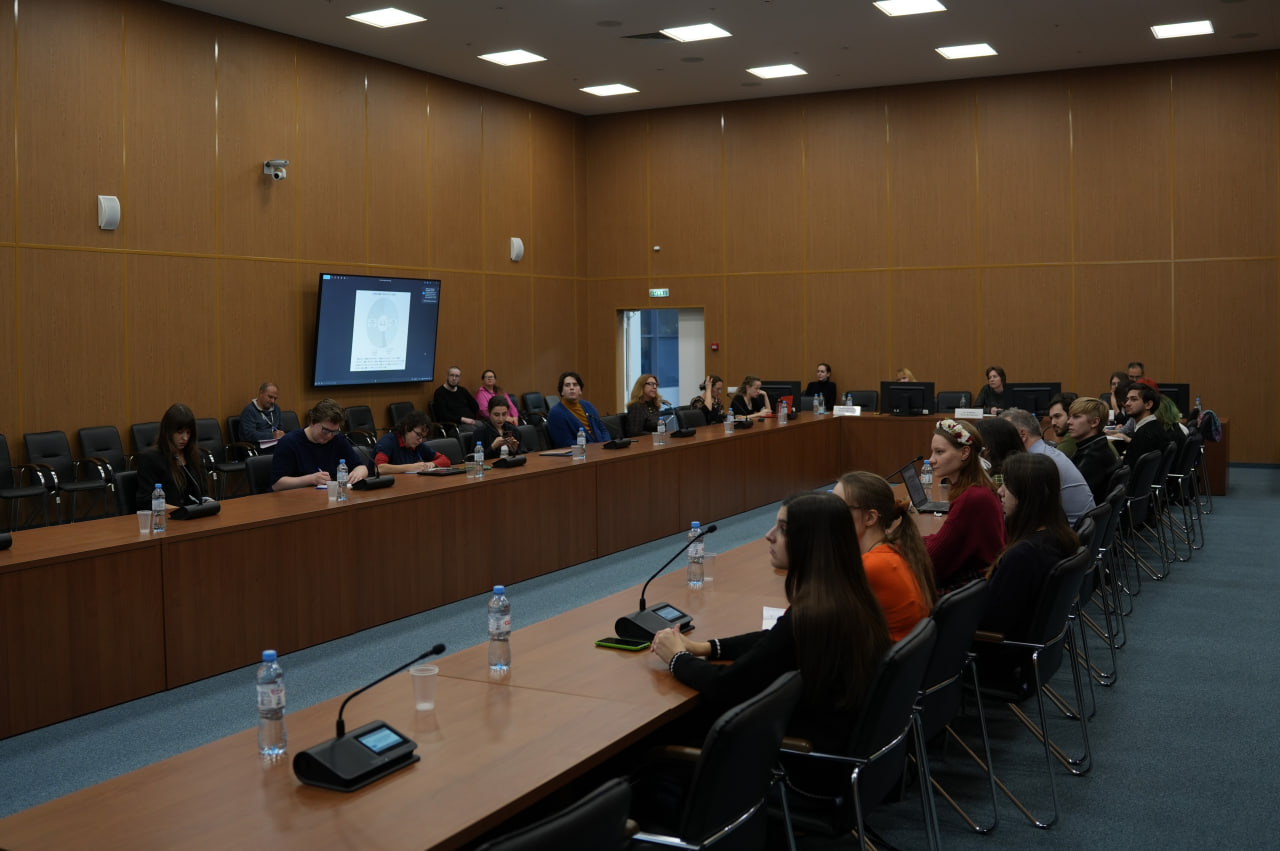
The seminar concluded with a discussion. Participants delved into various topics, including the role of robots in Japanese religious life and the interactions between religious organizations and state institutions.
Further details can be found in the event video.